Search This Blog

Powered by Blogger.

Blog Archive

Labels

Footer About

Footer About

Labels

Showing posts with label ATM. Show all posts

New Android Malware Steals Debit Card Data And PINs To Enable ATM Withdrawals


Security researchers have identified an Android malware operation that can collect debit card details and PINs directly from a victim’s mobile device and use that information to withdraw cash from an ATM. What makes this attack particularly dangerous is that criminals never need to handle the victim’s physical bank card at any point. Instead, the entire theft is carried out through the victim’s compromised phone, wireless communication features, and a coordinated cashout attempt at an ATM.

The threat relies on a combination of social engineering and near field communication, a short-range wireless feature widely used for contactless payments on smartphones and payment cards. Once the malware is in place, it quietly monitors NFC activity on the compromised phone, captures the temporary transaction data, and sends this information to an accomplice positioned near an ATM. Because these NFC codes change quickly and are valid only for a short period, the cash withdrawal must be carried out almost immediately for the fraud to succeed.

The attackers cannot begin the operation until they convince the target to install the malicious application. To achieve this, they commonly send deceptive text messages or emails that pretend to come from a bank. These messages warn the user about false account issues or security concerns and direct them to install an app from a link. Victims are sometimes contacted through follow-up calls to reinforce the urgency and to make the request appear more legitimate. The app itself does not come from an official store and often asks for permissions it does not need, including access to financial inputs. Once a user enters their card information and PIN, the malware is ready to operate in the background.

When the victim completes a contactless transaction on their phone, the malware intercepts the NFC exchange and sends the captured data to the waiting accomplice. That person uses a phone or smartwatch to simulate the victim’s payment credential at a nearby ATM and withdraws money before the dynamic code becomes invalid. Because all steps are interconnected and time sensitive, the criminals typically coordinate their roles in advance.

This technique stands out because it exploits features designed for convenience. It does not rely on physical skimming devices or stolen cards. Instead, it abuses trusted communication processes inside the victim’s own device. The combination of fake alerts, misleading calls, unauthorized apps, and wireless data relays makes the attack appear legitimate to those who are not familiar with these tactics.


Practical steps readers should take :

• Only install banking or payment apps from official app stores or verified developer pages.

• Treat unsolicited messages or calls claiming to be from your bank as suspicious; verify alerts using the phone number printed on your card or official statements.

• Never share card numbers or PINs in response to unsolicited contacts.

• Review installed apps and revoke permissions for unknown or unnecessary apps, particularly those that request accessibility or payment access.

• Use reputable mobile security software and keep the device and apps updated; some security products can detect malicious installers and block phishing links. 

• Any suspicious alerts should be verified by contacting the bank using official phone numbers printed on cards or statements.


As cybercriminals continue to grow more layered and coordinated attacks, staying informed about these methods is essential. Understanding how such schemes operate can help individuals protect themselves and warn others before they become victims.

How to Spot and Avoid Credit Card Skimmers


Credit and debit cards are now central to daily payments, but they remain vulnerable to fraud. Criminals have developed discreet tools, known as skimmers and shimmers, to steal card information at ATMs, fuel pumps, and retail checkout points. These devices are often designed to blend in with the machine, making them difficult for the average user to detect.


How Skimming Works

Skimming typically involves copying the data from the magnetic stripe on the back of a card. A more advanced variant, called shimming, targets the microchip by inserting a paper-thin device inside the card slot. Once the data is captured, it can be used to create duplicate cards or make unauthorized online purchases.

Fraudsters also exploit other tactics. Keypad overlays are placed over ATM keypads to capture PIN entries. Overlay skimmers, which fit over the card slot, may be paired with tiny hidden cameras aimed at the keypad to record PINs. In some cases, criminals rely on wireless skimmers that use Bluetooth or similar technology to transmit stolen information without needing to revisit the machine.


Spotting the Signs

Detecting a skimmer is challenging, but there are small clues to watch for. A card reader that feels loose, appears bulkier than normal, or is a different color from surrounding machines may have been tampered with. If the keypad looks newer than the rest of the ATM, or appears raised, it could be a false cover. Small holes or unusual attachments around the screen or card slot might conceal a hidden camera.


Protecting Yourself

While no precaution is foolproof, a few habits can reduce the risk of falling victim to skimmers:

• Use ATMs in bank branches or busy, well-lit areas, which are less likely to be compromised.

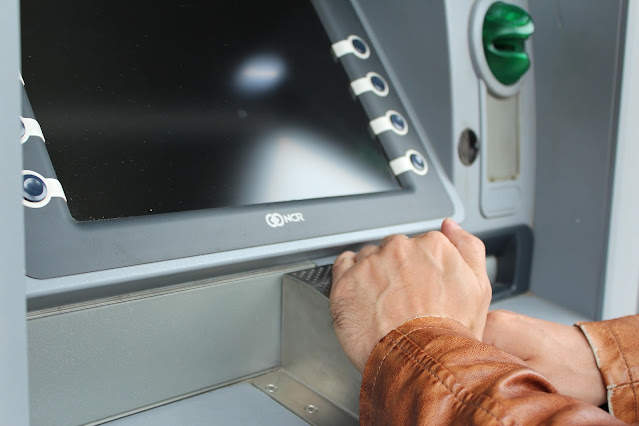
• Shield the keypad with your hand while entering your PIN.

• Monitor bank and credit card statements regularly and set up transaction alerts.

• Prefer contactless payments or mobile wallets when available.

• If something about a machine looks suspicious, trust your instincts and avoid it.


Acting Quickly Matters

Even the most careful consumer can be targeted. The important step is to act fast. If you notice unfamiliar charges or suspect your card was skimmed, contact your bank or card issuer immediately to block the card and report the incident. Most credit card users are not held liable for fraudulent charges if reported promptly, though business accounts may face stricter rules in this context.

As payment technologies develop, so do criminal tactics. Awareness remains the strongest defense. By staying alert to the signs of tampering and taking quick action when fraud is suspected, consumers can substantially ower the risks posed by skimming.


The Expanding PKfail Vulnerability in Secure Boot and Its Alarming Impact


The PKfail vulnerability in Secure Boot has grown into a far-reaching security threat, affecting thousands of devices across multiple sectors. Originally believed to be a limited issue, it arises from manufacturers releasing hardware with known compromised software, allowing unauthorized software to bypass Secure Boot encryption. Even after the initial leak of the Secure Boot encryption code in 2022, manufacturers continued to distribute devices with compromised security, and some even included warnings like “DO NOT TRUST” in the firmware. 

The original discovery indicated that devices from top manufacturers such as Dell, Acer, and Intel were compromised. However, recent investigations have expanded the list to include other major brands like Fujitsu, Supermicro, and niche producers like Beelink and Minisforum. Alarmingly, the list of impacted devices has grown to nearly four times its original size, now encompassing around a thousand models of laptops, desktops, and other x86-based hardware. What’s more concerning is that the PKfail vulnerability isn’t limited to standard consumer devices. It extends to enterprise servers, point-of-sale systems, gaming consoles, ATMs, and even medical and voting machines. 

These revelations indicate that the Secure Boot vulnerability has a much wider reach, exposing critical infrastructure to potential attacks. According to Binarly’s detection tool, this breach affects numerous industries, making it a significant cybersecurity risk. The challenge of exploiting Secure Boot remotely is substantial, often requiring advanced skills and resources, making it a tool primarily used by hackers targeting high-profile individuals or organizations. It’s particularly relevant for high-net-worth individuals, government agencies, and large corporations that are more likely to be the targets of such sophisticated attacks. 

State-sponsored hackers, in particular, could leverage this vulnerability to gain unauthorized access to confidential data or to disrupt critical operations. Addressing the PKfail vulnerability requires immediate action, both from manufacturers and end-users. Device manufacturers must issue firmware updates and improve their security practices to ensure their hardware is protected against such threats. Meanwhile, organizations and individual users should regularly check for software updates, apply patches, and implement stringent cybersecurity measures to minimize the risk of exploitation. 

The PKfail incident underscores the critical importance of cybersecurity vigilance and reinforces the need for robust protection measures. As cyber threats continue to evolve, organizations and individuals alike must stay informed and prepared to defend against vulnerabilities like PKfail.

Bitcoin ATM Emerges as Major Threat to Cryptocurrency


There is an ominous growth in Bitcoin ATMs across the United States, and some experts have claimed they are also one of the biggest cybercrime threats to the country. As with other ATMs, Bitcoin ATMs share a few characteristics with their cash counterparts: there are PINs to punch, and there are withdrawal fees as well. 

However, unlike cash ATMs, crypto ATMs have a high value, making them prime targets for hackers who are looking for ways to steal data. The problem is that whereas the location of a cash ATM at a gas station may not draw much attention, the location of a Bitcoin ATM gets more scrutiny from fraudulent individuals. The UK's National Crime Agency has reported in an article published by CNBC on September 8 that Bitcoin ATMs have proven to be one of the most popular ways for individuals to buy and sell cryptocurrencies, although they have additionally evolved into a prime target for hackers and scammers. 

There is no difference in the operation of these machines from traditional ATMs; however, thanks to the significant value of cryptocurrencies, they can be very attractive to cybercriminals, who will exploit both physical and digital vulnerabilities to their advantage. According to Timothy Bates, an assistant professor of cybersecurity at the University of Michigan, these machines are especially vulnerable to hacking due to the lack of security measures that are often part of the software used in these devices. 

According to Bates, Bitcoin ATMs can be infected by malware, which allows hackers to steal private keys and manipulate transactions through the use of malware. As well as this, an ATM can be compromised as a result of weaknesses in the security of the network, which may allow criminals to intercept communications between the ATM and its server, potentially allowing data theft to take place. As a result of malware installed by hackers on Bitcoin ATMs, they can be compromised, steal private keys, or manipulate transactions. 

It is especially concerning for ATMs that may not receive regular updates or security patches to prevent hackers from stealing funds or capturing private keys. A weakness in the network is also a weakness in the network security system. A compromised machine's network communications can be intercepted by attackers if the ATM's network communications are not adequately secured. Consequently, stolen data can be accessed or the server could be accessed by unauthorized persons, Bates explained. 

Bitcoin ATMs need to be taken seriously because of the threat posed by both hackers and scammers. Since 2020, according to a report released by the Federal Trade Commission this week, the number of scamming incidents has increased by 1,000%. In a curious twist, the risks associated with Bitcoin ATMs are directly proportional to their strengths, according to Joe Dobson, the principal analyst at Mandiant, which is owned by Google Cloud and a company that specializes in cybersecurity. 

There are three main characteristics of Bitcoin: decentralization, permissionlessness, and immutability. There is no way to reverse or reverse a transaction if funds are deposited to the wrong address, according to Dobson. Although many crypto bulls are attracted to Bitcoin because of its decentralization and lack of governance, it is a problem when used in ATMs. There are no regulations in the Bitcoin community that dictate who can run a Bitcoin ATM and who cannot, so independent organizations operate Bitcoin ATMs without any interference from the Bitcoin community," said Dobson. 

In addition to this, some old criminal tricks might be reversible in a traditional banking system, but not so in the Bitcoin world, which comes with its own set of unique challenges. It is possible for someone, for instance, to maliciously place their deposit slips into the bank stack, which can lead to folks being tricked into depositing money into their accounts unknowingly. According to Dobson, "there is the possibility that Bitcoin ATMs could also be subject to a similar attack." 

According to Dobson, "If an attacker compromises an ATM, they will be able to change the recipient wallet address (or "account number"), which in turn will steal the money of the user."  Bitcoin ATMs, however, continue to spread old tricks as well and they also introduce newer threats that are not encountered by cash ATMs. Several Bitcoin ATMs require that users provide personally identifiable information, such as their ID number or even their Social Security number to satisfy "Know Your Customer (KYC)" requirements that are necessary in the financial industry. 

Depending on the level of security that exists on a Bitcoin ATM, this information could be at risk. The Middletown Food Mart, located on the fringes of the town, in a hollowed-out section of the town near the town's main road, has a Bitcoin Depot ATM running alongside a regular cash machine, which blends in with the potato chips, bottled water, and beer on sale. 

Those who live in Middletown know that it is the hometown of Donald Trump's running mate, Ohio Senator J.D. Vance, who, similar to Trump, has refashioned himself as a crypto-advocate and has been speaking out against the adoption of Bitcoin. It is just a few blocks away from the Middletown Food Mart where Vance grew up where he works. Among the best ways to avoid these scams is to be cautious and sceptical about any requests from users who want to make payments through a Bitcoin ATM. It is rare that legitimate businesses if they exist, will request payment in Bitcoin via a machine for their services. 

During a transaction, users must verify the validity of the transaction, particularly checking the recipient's wallet for references to questionable entities," Frei said, adding that an additional precaution can be taken by using licensed ATMs from reliable operators. 

Users will be able to follow certain steps to make sure they are dealing with a Bitcoin ATM or party that is legitimate and owned by someone reputable. Adding to Frei's warning, he stressed the importance of being cautious and not sending bitcoins to unknown wallets. A platform like Chainabuse can help validate the legitimacy of the transaction by examining the risk score of the recipient's wallet, which can help verify their legitimacy. 

In the U.S., Bitcoin Depot operates over 8,000 ATMs, making it the country's largest operator of Bitcoin ATMs. Its chief executive, Brandon Mintz, assured CNBC that the company's software and hardware are designed to deter hackers, although he cautioned consumers not to fall victim to scams or be deceived by them. There seem to be just 10 operators worldwide who manage about 74% of ATMs in the world, as per Frei's analysis of data.

Ukraine Hacks ATMs Across Russia in Massive Cyberattack


On July 23, 2024, a massive cyberattack launched by Ukrainian hackers targeted Russian financial institutions, disrupting ATM services across the country. According to a source within Ukrainian intelligence, the attack is “gaining momentum” as it continues to cripple banking services. By July 27, the fifth day of the cyberattack, customers of several prominent Russian banks found themselves unable to withdraw cash. When attempting to use ATMs, their debit and credit cards were immediately blocked, leaving them stranded without access to their funds. 

The intelligence source, who provided written comments to the Kyiv Post, indicated that the attack had affected numerous banks, including Dom.RF, VTB Bank, Alfa-Bank, Sberbank, Raiffeisen Bank, RSHB Bank, Rosbank, Gazprombank, Tinkoff Bank, and iBank. The widespread disruption has caused significant inconvenience for customers and highlighted vulnerabilities within Russia’s financial infrastructure. The source in Ukrainian intelligence mocked the situation, suggesting that the Kremlin’s long-desired “import substitution” might now include reverting to wooden abacuses, paper savings books, and cave paintings for accounting. 

This remark underscores the scale of the disruption and the potential for outdated methods to replace modern financial technologies temporarily. The cyberattack represents a significant escalation in the ongoing cyber conflict between Ukraine and Russia. While cyberattacks have been frequent on both sides, the targeting of ATM services and the subsequent blocking of debit and credit cards mark a notable shift towards directly impacting ordinary citizens’ daily lives. This attack not only disrupts financial transactions but also instills a sense of insecurity and distrust in the reliability of banking systems. 

The list of affected banks reads like a who’s who of Russia’s financial sector, including both state-owned and private institutions. The inability to withdraw cash from ATMs during the attack has put pressure on these banks to quickly resolve the issues and restore normal services to their customers. However, the continued nature of the cyberattack suggests that solutions may not be forthcoming in the immediate future. The Ukrainian hackers’ ability to sustain such a large-scale cyberattack over several days indicates a high level of coordination and technical expertise. It also raises questions about the preparedness and resilience of Russian banks’ cybersecurity measures. 

As the attack progresses, it is likely that both sides will escalate their cyber capabilities, leading to further disruptions and countermeasures. The broader implications of this cyberattack are significant. It highlights the increasingly blurred lines between cyber warfare and traditional warfare, where digital attacks can cause real-world consequences. The disruption of banking services serves as a stark reminder of how dependent modern societies are on digital infrastructure and the potential vulnerabilities that come with it. 

In response to the ongoing cyberattack, Russian banks will need to bolster their cybersecurity defenses and develop contingency plans to mitigate the impact of such attacks in the future. Additionally, international cooperation and dialogue on cybersecurity norms and regulations will be crucial in preventing and responding to similar incidents on a global scale. As the situation develops, the cyber conflict between Ukraine and Russia will likely continue to evolve, with both sides seeking to leverage their technological capabilities to gain an advantage. The ongoing cyberattack on Russian ATMs is a clear demonstration of the disruptive potential of cyber warfare and the need for robust cybersecurity measures to protect critical infrastructure.

RBI Issues Advisory to Support Cybersecurity in Banks


Amid escalating cyber threats, the Reserve Bank of India (RBI) has released a comprehensive advisory to all scheduled commercial banks. This advisory, disseminated by the Department of Banking Supervision in Mumbai, stresses upon the paramount importance of robust cybersecurity measures in the modern digital banking infrastructure.

The advisory highlights the crucial role of Corporate Governance in maintaining accountability within banks, emphasising that IT Governance is a key component of this framework. The RBI stresses that effective IT Governance necessitates strong leadership, a clear organisational structure, and efficient processes. Responsibility for IT Governance, the advisory states, lies with both the Board of Directors and Executive Management.

With technology becoming integral to banking operations, nearly every commercial bank branch has adopted some form of digital solution, such as core banking systems (CBS) and alternate delivery channels like internet banking, mobile banking, phone banking, and ATMs. In light of this, the RBI provides specific guidelines to banks for enhancing their IT Governance.

The RBI recommends that banks clearly define the roles and responsibilities of their Board and Senior Management to ensure effective project control and accountability. Additionally, it advises the establishment of an IT Strategy Committee at the Board level, comprising members with substantial IT expertise. This committee is tasked with advising on strategic IT directions, reviewing IT investments, and ensuring alignment with business goals.

The advisory also suggests structuring IT functions based on the bank’s size and business activities, with dedicated divisions such as technology and development, IT operations, IT assurance, and supplier management. Each division should be headed by experienced senior officials to manage IT systems effectively.

Implementing IT Governance PractiPracticehe RBI stresses the importance of implementing robust IT Governance practices aligned with international standards like COBIT (Control Objectives for Information and Related Technologies). These practices focus on value delivery, IT risk management, strategic alignment, resource management, and performance measurement.

Information Security Governance

Recognizing the critical nature of information security, the RBI advises banks to develop comprehensive security governance frameworks. This includes creating security policies, defining roles and responsibilities, conducting regular risk assessments, and ensuring compliance with regulatory requirements. The advisory also recommends that the information security function be separated from IT operations to enhance oversight and mitigate risks.

Risk Management and Compliance

The RBI underscores the necessity of integrating IT risks into banks’ overall risk management frameworks. This involves identifying threats, assessing vulnerabilities, and implementing appropriate controls to mitigate risks. Regular monitoring and oversight through steering committees are essential to ensure compliance with policies and regulatory standards.

The RBI’s advisory serves as a crucial reminder for banks to strengthen their cybersecurity defences amidst growing digital threats. By adopting robust IT Governance and information security frameworks, banks can enhance operational resilience, protect customer data, and safeguard financial stability. Adhering to these guidelines not only ensures regulatory compliance but also bolsters trust and confidence in the banking sector.

As technology continues to play an increasingly pivotal role in banking, the RBI urges banks to remain vigilant against emerging threats. Proactive measures taken today will help secure the future of banking operations against cybersecurity challenges. For detailed guidelines, banks are encouraged to refer to the official communication from the Reserve Bank of India.


ATM Card Trap Scam: How to Stay Safe

ATM Card Trap Scam: How to Stay Safe

ATMs have become an integral part of our lives. They provide convenient access to cash and banking services. However, criminals are always finding new ways to exploit technology for their gain. One such deceptive scheme is the ATM card trap scam. 

The ATM card trap scam is a sophisticated method used by fraudsters to take your money and personal information. Let’s dive into what it is and how you can protect yourself.

What is the ATM Card Trap Scam?

The ATM card trap scam involves fraudsters using skimming devices to steal your card information and distract you from stealing your Personal Identification Number (PIN). Here’s how it works:

Tampered ATMs: Scammers physically alter the ATM’s card reader. They may attach a skimming device or even remove the reader entirely, causing your card to get stuck.

Feigning Helpfulness: When your card gets stuck, a seemingly helpful stranger might appear. They offer assistance, but their real goal is to distract you.

PIN Stealing: The scammer may convince you to re-enter your PIN to “unstick” the card. While you do so, they observe your keystrokes or offer to call the bank for you.

Emptying Your Account: Once you leave, the scammer retrieves your card and withdraws money using your stolen PIN.

Tips to Stay Safe:

Inspect the ATM: Before using an ATM, examine it for anything unusual around the card slot. Look for suspicious attachments or loose components.

Check for Tampering: Be cautious if the card reader looks different or if there are hidden cameras. Cover your hand while entering your PIN.

Avoid Relying on Strangers: If your card gets stuck, don’t seek help from strangers. Instead, contact your bank directly using the customer service number on the back of your card or through the official app.

Never Share Your PIN: Bank officials will never ask for your PIN over the phone or in person. Keep it confidential.

Choose Secure ATMs: Opt for ATMs in well-lit areas with security cameras. Prefer those located inside bank branches during operating hours.

Report Tampered ATMs: If you notice a tampered ATM, report it to the bank and authorities immediately.

Taking Measures to Prevent Card Skimming and Shimming

Protecting your financial information is crucial in the digital era we live in today. Credit card skimming and shimming have grown to be serious risks to customers all around the world with the emergence of sophisticated cybercrime techniques. Maintaining your financial stability depends on your ability to recognize and resist these approaches.

Credit card skimmers, according to PCMag, are deceptive gadgets installed on legal card readers, such as ATMs or petrol pumps, with the purpose of capturing and storing your card information. Cybercriminals have adapted by utilizing shimmers, which are extremely thin devices inserted into the card reader slot, according to KrebsOnSecurity, which cautions that even with the switch to chip-based cards, they have done so. These shimmers allow them to intercept the data from the chip.

The Royal Canadian Mounted Police (RCMP) provides valuable insights into how criminals install skimmers. They often work quickly and discreetly, making it hard for victims to notice. They may place a fake card reader on top of the legitimate one or install a small camera nearby to capture PIN numbers.

To protect yourself, it's important to be vigilant. MakeUseOf suggests a few key steps:

  • Inspect the Card Reader: Before using an ATM or a card reader at a gas pump, take a moment to examine the card slot. Look for any unusual devices or loose parts.
  • Cover Your PIN: Use your hand or body to shield the keypad as you enter your PIN. This simple step can prevent criminals from capturing this crucial piece of information.
  • Monitor Your Accounts: Regularly review your bank and credit card statements for any unauthorized transactions. Report any suspicious activity to your bank immediately.
  • Choose ATMs Wisely: Whenever possible, use ATMs located in well-lit, high-traffic areas. Avoid standalone ATMs in secluded or poorly monitored locations.
  • Stay Informed: Keep up-to-date with the latest scams and techniques used by cybercriminals. Knowledge is your best defense.
Remaining vigilant and well-informed is your primary defense against credit card skimmers and shimmers. By adopting these practices and staying aware of your surroundings, you can significantly reduce the risk of falling victim to these insidious forms of cybercrime. Remember, your financial security is well worth the extra effort.